
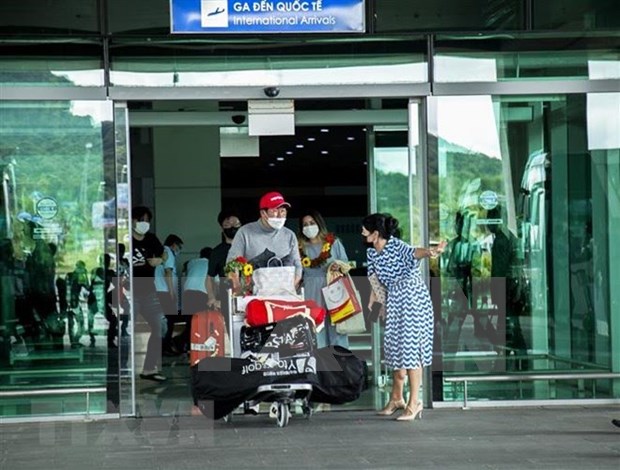
 Foreign visitors arrive in Phu Quoc (Photo: VNA)
Hanoi (VNA) – The Ministry of Health has officially issued the long-awaited
COVID-19 protocols for foreign arrivals in Vietnam.
The
regulations state that visitors with negative COVID tests can enjoy
quarantine-free travel from day one.
Travellers
entering Vietnam via air routes will have to present proof of negative
(except for children under two years old) done within 72 hours
prior to departure in cases of RT-PCR/RT-LAMP or within 24 hours in cases of
rapid antigen tests, and the results must be certified by the authorities of
the country where the tests are conducted.
People
entering via road, sea, and rail will be subject to the same requirements.
If
arrivals cannot show proof of negative tests, they are required to take a test
(either using RT-PCR/RT-LAMP method or rapid antigen tests) in the first 24
hours from the time of arrival.
If
the results are negative, they may travel outside of their place of
accommodation, with public health measures still in place, if the results are
positive, they must notify health authorities for further instructions.
Children
under two years old are not required to take COVID-19 tests, and they can still
enter Vietnam and take part in activities outside of the place of accommodation
with their parents or relatives even if they have not been vaccinated against
COVID-19 or contracted the virus before.
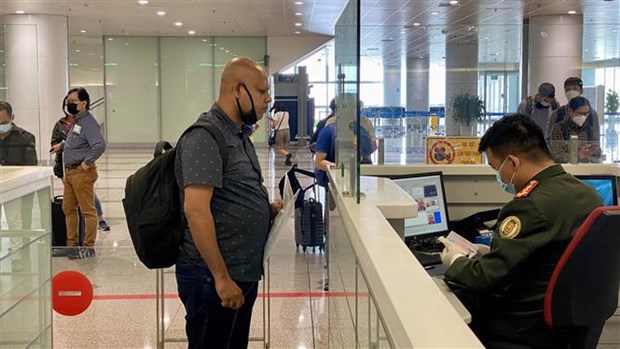 A foreign visitor undergoes immigration procedures at Noi Bai airport (Photo: VNA)
Arrivals
must make medical declaration before entering and use Vietnam’s COVID-19 mobile
application (,
available on both iOS and Android) during their entire stay according to
regulations.
At
the border gate, if one shows symptoms of SARS-CoV-2 infection (fever; cough;
sore throat; runny nose, stuffy nose; body aches, fatigue, chills; reduced or
loss of taste; reduced or loss of sense of smell; headache; diarrhoea;
breathing difficulties; respiratory infection, etc.), they must immediately
notify the health agency at the border gate to take medical measures as
regulated.
No
mandatory quarantine is required, but in the first 10 days after entry, people
should self-monitor their health and if any symptoms develop, ask for
assistance from the nearest medical facilities.
Visitors
are asked to frequently wear masks and disinfect their hands.
People
without negative results prior to entry are asked to not make rest
stops and make contact with other people along the way from the border gate to
their place of accommodation.
Some
prominent omissions in the latest official set of COVID-19 rules is that there
is no longer a requirement for the COVID-19 vaccination or recent recovery
certificates, multiple tests required before and after entry, or the need to
comply with restrictions like avoiding gathering or keeping safe distance, like
in previous proposed plans from the ministry.
The
guidelines, released the day after the country fully reopened international
tourism activities and reinstated pre-pandemic entry and exit regulations,
replace all other previous COVID-19 rules for foreign entries and the health
ministry asks local authorities and State agencies to quickly direct the
implementation of the COVID rules to avoid spreading the virus among the
travellers and the community.
It
is hoped the relaxed regulations will ease concerns from international
tour companies who have been desperate to welcome back foreign tourists into
the country after two years of severe disruptions caused by the pandemic.
With
these new COVID-19 guidelines, international visitors entering Vietnam will be
“treated the same way” as domestic visitors, as Deputy Prime Minister Vu Duc Dam
has promised late March 15.
The
also noted that the new daily COVID-19 increases in Vietnam
remains significant and Omicron variant has been circulating in the community,
however, with one of the highest vaccination rates in the world,
hospitalisations and deaths from the virus remain at manageable levels, and the
guidelines are part of the efforts to safely adapt to, and flexibly and
effectively control COVID-19./.
Source: VietnamPlus


