

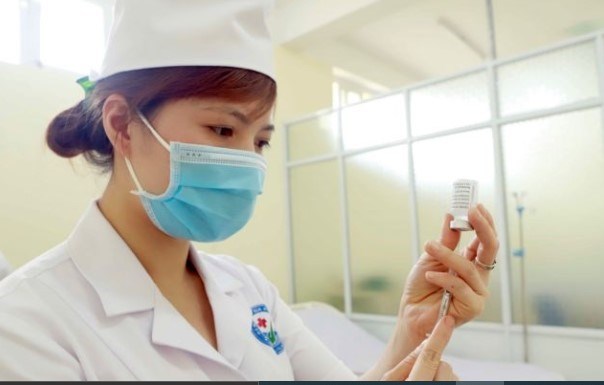
 Illustrative image (Source: VNA)
Hanoi (VNS/VNA) – A total of 892,454 people in Vietnam have been given COVID-19
vaccine shots to date, according to May 11’s morning report from the
(NEPI).
On May 10,
25,057 people in 41 cities and provinces have been given the jabs.
The doses
administered has reached 97 percent of the existing stock of 917,000 doses
of that Vietnam has received so far as part of the purchase of 30
million doses from the company and another 30 million from the global vaccine
sharing scheme COVAX Facility that is expected to be delivered in different
batches within 2021 and early 2022.
The first in
line are mostly frontline workers – medical staff directly involved with the
treatment of COVID-19 patient; medical staff performing tasks such as
collecting patient samples, testing and tracing; members of grassroots
anti-COVID-19 groups; members of COVID-19 steering committees at local and
central levels; and police and military members.
Regarding last
week’s death of a medical worker in Vietnam who developed
anaphylactic shock after receiving the shot, health authorities have
stressed that the reaction rate is still too small to forego the critical
protection that the vaccines offer against COVID-19.
Pham Quang Thai,
head of the northern region office of the NEPI, said all vaccines, drugs, and
even food – not just COVID-19 vaccines – could lead to adverse reactions, but
the rate is “very low” and if the vaccinated are monitored and reactions are
promptly dealt with then there would be few problems.
“We are pained
to hear about the incident. It was very rare, and we won’t pause (the
vaccination drive) here but we should learn from the experience here to prevent
such regrettable incidents in the future,” Thai said.
Specifically,
there must be increased readiness for the prevention of anaphylaxis at all
, according to the doctor.
Adrenalin
shots must be readily available so that they could be immediately administered,
instead of wasting critical time in preparing the shots, he said, adding that
training and supervision of follow-up post-vaccination monitoring should also
be strengthened to ensure that medical staff are ready in all situations.
Given the
currently limited supply to Vietnam, especially as the COVID-19 situation is
showing complicated developments, the health ministry has met with a World
Health Organization (WHO) representative to facilitate the negotiations on
transferring of mRNA technology – currently the cutting-edge technology used in
highly effective COVID-19 vaccines like Pfizer-BioNTech and Moderna (while
AstraZeneca used vector-based technology) – so that Vietnam can start producing
the vaccines right within the country.
The health
ministry is awaiting the results of the second phase of the human trials of
Nanogen, Vietnam’s front runner in the race for a homegrown COVID-19 vaccine,
and depending on the safety assessment, could start administering the vaccine
to the population as the phase 3 trials commence./.
Source: VietnamPlus


